

Namibia
Etosha National Park
We are excited to introduce Wilderness Etosha, a new eight-suite camp in the Hobatere Concession on the western boundary of Etosha National Park. Opening mid- 2027
New Wilderness camp opening in Etosha National Park


Explore a luxury safari in Etosha
Where Etosha’s great salt pan gives way to rugged mountains and winding dry riverbeds, another Namibia begins. This is Hobatere – a landscape of hidden springs, ancient elephant paths and remarkable resilience, where wildlife moves beyond the boundaries of the national park and into one of the country’s last great connected ecosystems. Here, elephants climb rocky slopes in search of food, lions roam quiet valleys, and the smallest signs in the sand reveal stories of survival. It is a place that rewards curiosity as much as spectacle; every journey shaped by movement, adaptation and discovery.
Set within this vital ecological corridor, Wilderness Etosha offers a window into one of Namibia’s least explored conservation landscapes, where research, wilderness and community converge.
Wilderness Etosha is located within the Hobatere Concession on the western boundary of Etosha National Park. While neighbouring one of Africa’s best-known wildlife destinations, Hobatere off ers a markedly diff erent landscape. Rocky mountains, dry river systems, natural springs and open savannah replace the expansive salt pans and open plains more commonly associated with Etosha.

Hobatere forms part of the Etosha–Skeleton Coast land bridge, a conservation landscape spanning approximately 55,000 km2 in north-west Namibia. Linking Etosha National Park, communal conservancies and the Skeleton Coast, it enables wildlife to move across the landscape in response to rainfall, water availability and seasonal resources. Fourteen communal conservancies form the heart of this connected ecosystem, supporting both wildlife movement and communitybased conservation.
This connectivity is particularly important for elephants. Research has shown that elephants spend relatively litt le time within national parks, relying instead on communal conservancies and natural movement corridors across the wider landscape. Hobatere sits at one of these important ecological thresholds, helping maintain connections between western Etosha and Namibia’s north-western conservation areas.
Water is one of the key drivers of movement in this arid system. Rivers, springs and waterholes infl uence where the wildlife travels throughout the year, making the protection of these natural connections an important factor in maintaining the wider Etosha ecosystem.
Etosha wildlife
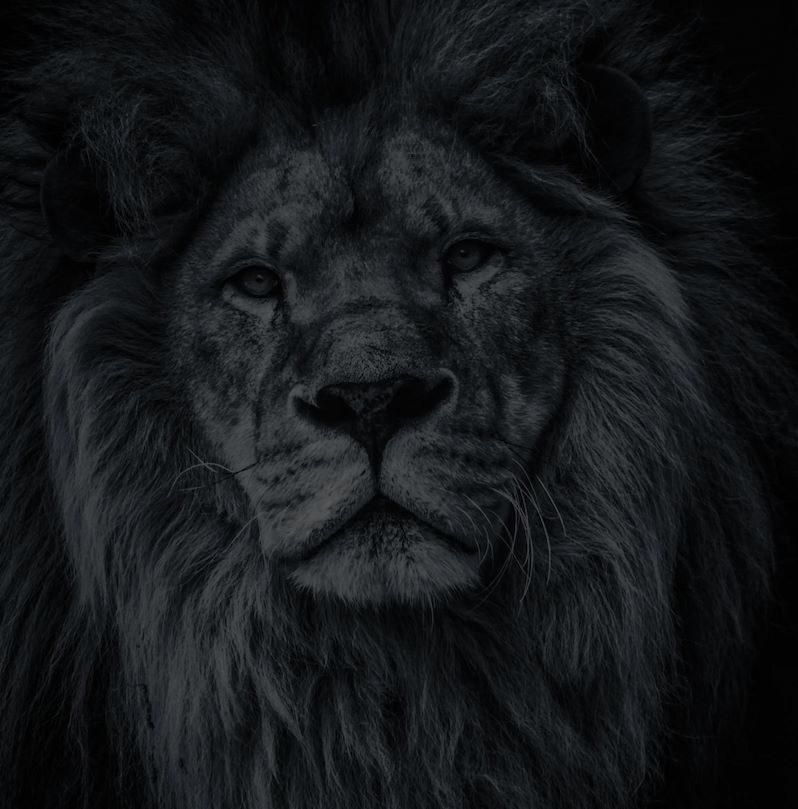
Key species recorded include elephant, lion, leopard, cheetah, brown hyena, spotted hyena, giraffe, Hartmann’s mountain zebra, endemic black-faced impala, kudu and oryx. Elephant, predator and herbivore movements all contribute to the dynamic nature of the concession and the wider Etosha ecosystem.


WHAT YOU NEED TO KNOW
Etosha at a glance
Wilderness Etosha has been established to support the long-term protection of an important conservation landscape beyond the boundaries of Etosha National Park. This corridor extends the greater Etosha ecosystem, enabling wildlife to move, adapt, and survive beyond protected borders.
Etosha key facts
Not only is it home to unique desert dwellers, but also Africa's iconic Big 5 and delicate ecosystems that house a host of other wildlife and aviary species. With such a kaleidoscope of flora and fauna, Etosha should feature on every photography enthusiasts bucket list.
GEOGRAPHIC SIZE
22,935km²
BIRD SPECIES
+/- 400
MAMMAL SPECIES
+/- 114
BEST TIME TO VISIT
All year round
WILDERNESS CAMPS
1

Habitat
Wilderness Etosha has been established to support the long-term protection of an important conservation landscape beyond the boundaries of Etosha National Park. This corridor extends the greater Etosha ecosystem, enabling wildlife to move, adapt, and survive beyond protected borders.

Elephant
There are between 150 and 350 desert-adapted elephants in Namibia.

Rock hyrax
Otherwise known as a dassie these small creatures abound the area

Honey badger
Smaller nocturnal species can also befound in Etosha

Black faced impala
A distinctive subspecies of impala found in north-western Namibia
Key Facts
Etosha key facts
Not only is it home to unique desert dwellers, but also Africa's iconic Big 5 and delicate ecosystems that house a host of other wildlife and aviary species. With such a kaleidoscope of flora and fauna, Etosha should feature on every photography enthusiasts bucket list.
GEOGRAPHIC SIZE
22,935km²
BIRD SPECIES
+/- 400
MAMMAL SPECIES
+/- 114
BEST TIME TO VISIT
All year round
WILDERNESS CAMPS
1
Habitat
Habitat
Wilderness Etosha has been established to support the long-term protection of an important conservation landscape beyond the boundaries of Etosha National Park. This corridor extends the greater Etosha ecosystem, enabling wildlife to move, adapt, and survive beyond protected borders.
Wildlife
Elephant
There are between 150 and 350 desert-adapted elephants in Namibia.
Rock hyrax
Otherwise known as a dassie these small creatures abound the area
Honey badger
Smaller nocturnal species can also befound in Etosha
Black faced impala
A distinctive subspecies of impala found in north-western Namibia
JOURNAL
Kunene featured stories

Wilderness Etosha and the Skeleton Coast land bridge
Discover Wilderness Etosha, where elephants, wildlife corridors and conservation research reveal a l...
Read moreIngrid Wood
30.09.2026

Rebuilding Serra Cafema: What it takes to bring a camp back to life
Fire changed Serra Cafema, but not its spirit. Discover how this remote Namibian icon is being thoug...
Read moreIngrid Wood
29.09.2026

Wilderness Namibia camp newsletters – June–July 2026
Explore the latest from Wilderness Namibia, with desert wildlife, dramatic landscapes, memorable cam...
Read moreCamp Manager
21.08.2026
Let’s plan your next journey
Ready?
When we say we’re there every step of the way, we mean it, literally. From planning the perfect circuit, to private inter-camp transfers on Wilderness Air, and easing you through Customs. We’re with you on the ground, at your side, 24-7, from start to finish. Ready to take the road less travelled? Contact our Travel Designers to plan an unforgettable journey.