Botswana

Mababe

Discover a unique pulse and energy on the plains of Botswana, with a visceral safari unlike anything you’ve ever seen before.
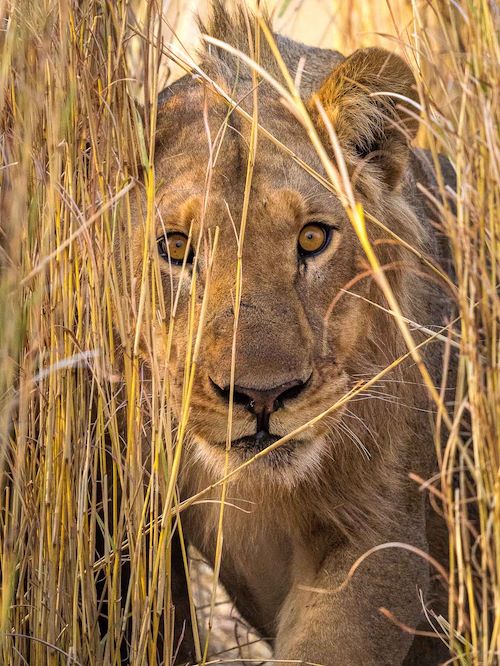

As wild as it gets

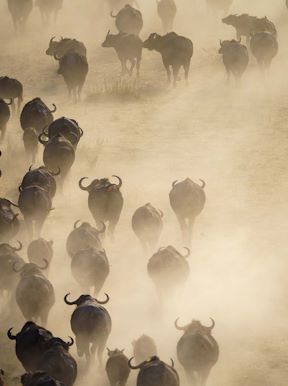
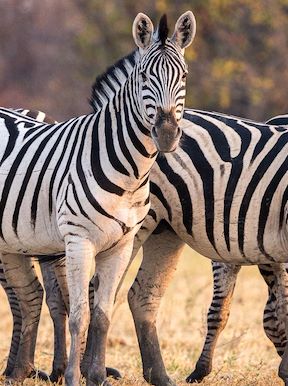
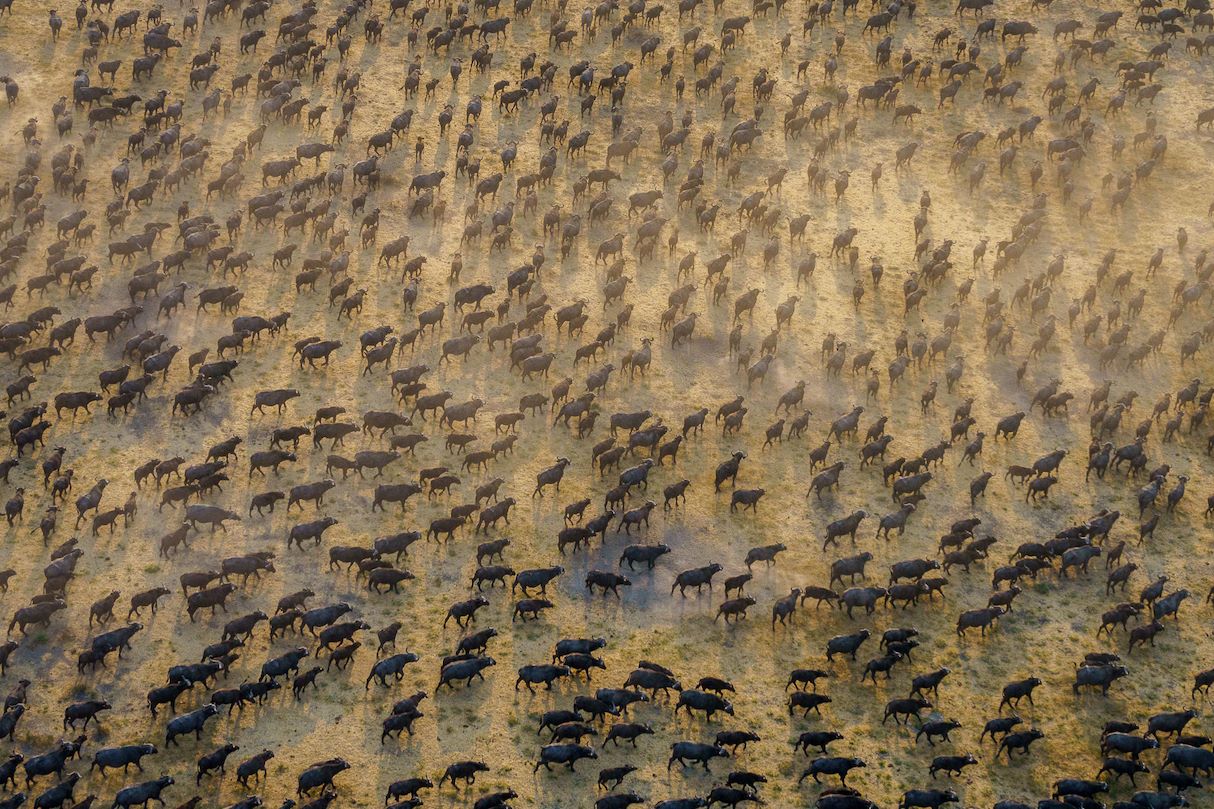
Imagine a place where lion prides dominate. A place where you can fly over the same buffalo herd for minutes at a time, the spectacle stretching the breadth of the horizon. Where you’ll be dazzled by huge herds of zebra, creating a world of black and white. A place where you will stay at the only camp in 50,000 hectares (124,000 acres). Now stop imagining. Welcome to Mababe.

WHAT YOU NEED TO KNOW

Mababe Depression at a glance

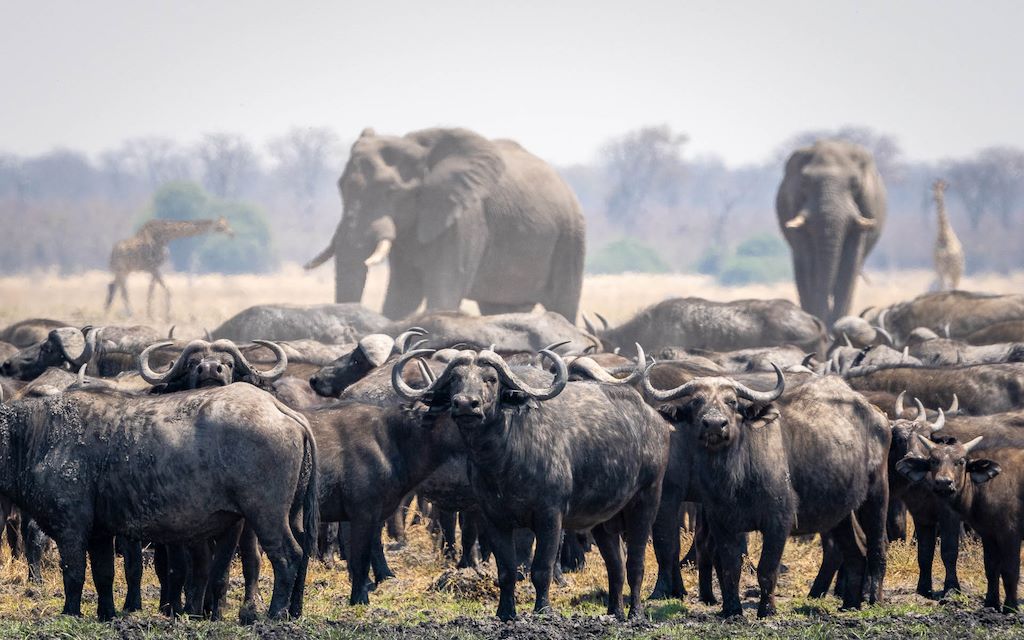
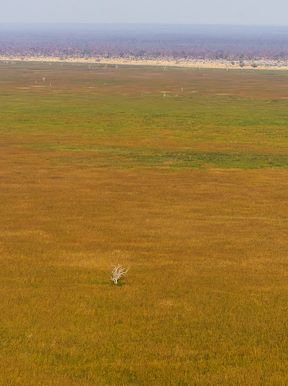
The Mababe Depression marsh fills in the summer season, creating a wetland of some 2,600 hectares (6,400 acres). This progressively disappears in the dry season, although never completely, with permanent water feeding nutrient-rich grasslands, welcoming great herds. Here it’s not uncommon to see vast buffalo herds, tsessebe in their hundreds, and large prides of lions following in their wake.

Key Facts

Mababe key facts

Fly west to east, following the Nqogha and Khwai channels, across the palm-dotted floodplains of the Delta, over riparian forest to acacia woodland, and finally large swathes of mopane, which abruptly gives way to the shoreline of an ancient lake. And on the other side - one of the most unique ecosystems in Botswana: the great expanse and immense grasslands of the legendary Mababe Depression.

GEOGRAPHIC SIZE

3,000 km²

BIRD SPECIES

+/- 100

MAMMAL SPECIES

+/- 400

BEST TIME TO VISIT

All year round

WILDERNESS CAMPS

1
Habitats

Wildlife

Weather

Mababe Depression and its geographical significance

Between the world-famous Okavango Delta and the game-rich Chobe National Park lies the remarkable Mababe Depression – an ancient lakebed that plays a critical role in northern Botswana’s ecosystem. This vast, flat basin spans approximately 3,000 km² and transforms seasonally between lush savannah and parched plains, creating one of Africa’s most dynamic wildlife environments.


The Mababe Depression serves as a natural funnel for wildlife moving between major ecosystems: the Okavango Delta to the west, Chobe National Park to the north-east, the Linyanti to the north, and the Kalahari to the south. This position concentrates animals along its edges, particularly along the wildlife-rich Khwai River forming its northern boundary.


The depression was once a massive lake fed by the Okavango, Chobe, and Zambezi River systems. Tectonic activity along fault lines gradually cut off these water sources, causing the lake to dry into the flat basin we see today. This geological history is evident in the depression's perfectly flat floor and the ancient shorelines visible along its edges.

Ecological importance of the region

The Mababe Depression's ecological significance stems from its remarkable seasonal transformations and position between major habitat types.


Habitat diversity includes:

  • Riverine forests: Along the Khwai River, lush woodlands of fig, jackalberry, and knobthorn trees create green corridors.


  • Floodplain grasslands: Adjacent to the river, nutritious grasslands support huge herbivore populations.


  • Mopane woodlands: Covering much of the depression's fringes, these hardy trees dominate the landscape and provide refuge for woodland birds and leopards.
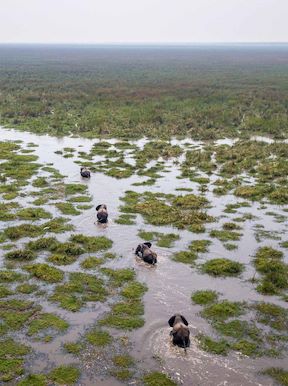
 

  • Open grasslands: The depression floor features expansive grasslands that transform from green seas during the wet season to golden plains during dry months.


  • Seasonal pans: Scattered depressions hold water temporarily after rains, creating oases for wildlife.

The region serves as a critical carbon sink, with vast grasslands and seasonal wetlands sequestering carbon in soils and vegetation. The preservation of these natural systems contributes meaningfully to climate change mitigation.


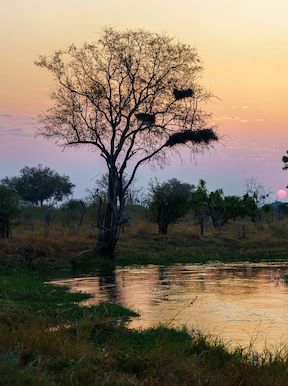
In summer the Mababe Marsh fills with water from the Khwai River, which closer to the Depression is known as the Mababe River, creating a 2,600-hectare wetland. During the dry season, the water recedes but never disappears completely, feeding nutrient-rich grasslands that attract great wildlife herds. The Khwai-Mababe River started flowing again in 2007, bringing strong water flow into the system in recent years.

Wildlife highlights

Predator concentrations

The Mababe has earned a reputation as a predator paradise, making Wilderness Mokete an ideal location for predator sightings. The region also hosts an array of smaller predators including bat-eared fox, jackal, African wild cat, and serval.

Lions

Lions

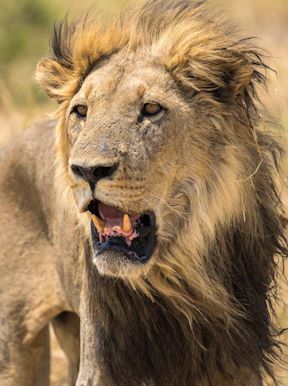
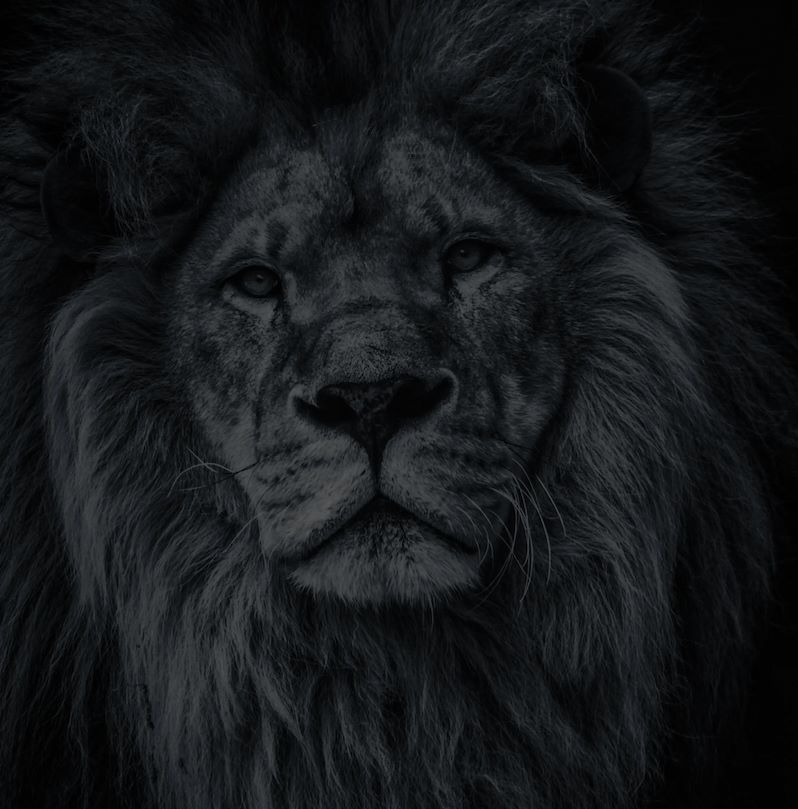
Several prides, including some of Botswana's largest, claim territories along the Khwai River. These lions hunt in open floodplains, creating spectacular daytime hunting opportunities. At Mokete, lions actively hunt throughout the day, often targeting buffalo at the water's edge.

Leopards

Wild dogs

Spotted hyenas

Cheetahs

Elephant populations


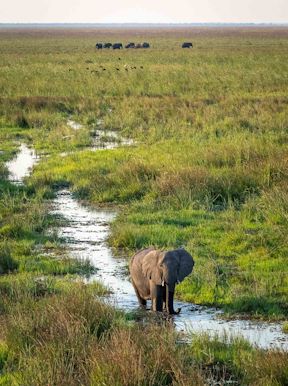
The Mababe serves as a critical movement corridor for northern Botswana's enormous elephant population:

  • Dry season concentrations along the Khwai River can number in the hundreds
  • Dramatic river crossings as herds move between feeding areas
  • Ancient pathways across the depression used for generations
  • Fascinating social interactions observable at close range


At Mokete, guests can enjoy unique elephant viewing from the camp's sunken hide, allowing eye-level encounters with breeding herds.

Seasonal game movements


The depression's location creates distinctive seasonal wildlife patterns:

  • At the turn of the season in December and again in March, buffalo herds numbering in the thousands can be seen. At Mokete aggregations of over 2,000-strong have been witnessed
  • The same can be said for the zebra migrations with massive herds passing through in December and March
  • Seasonal concentrations of tsessebe in their hundreds
  • Dispersal of herbivores across grasslands during wet months
  • Concentration of wildlife along permanent water sources as dry season progresses

Birdlife


With over 450 recorded species, the Mababe is a bird-watcher's paradise:

  • Water specialists along the Khwai River, including kingfishers, storks, and herons
  • Raptors ranging from fish eagles to martial eagles hunting across open plains
  • Ground hornbills and secretary birds striding through grasslands
  • Carmine bee-eaters nesting in riverbanks (August-November)
  • Abundant migrants during summer months


The area is recognised as an Important Bird & Biodiversity Area, hosting great numbers of buzzards, falcons, owls, eagles, and vultures.

Best time to visit the Mababe – dry season

The traditional peak safari season combines several advantages for exceptional Mababe game viewing:


  • Wildlife concentration: As water sources diminish, animals congregate along the Khwai River
  • Visibility: Thinning vegetation provides better sightlines for wildlife viewing and photography
  • Comfortable conditions: Cooler days and cold nights create pleasant safari conditions
  • Minimal insects: Lower humidity means fewer mosquitoes
  • Reliable predator viewing: Concentrated prey attracts numerous predators


During this time, the landscape transforms to varying hues of brown, with parched earth and sandy pale grasses. Large herbivore numbers trample the clay soils into fine powder, creating dust clouds as they feed. Though harsh, the landscape remains highly fertile and full of life.


Within this period, August to October represents peak wildlife density, though October can become extremely hot. June and July offer excellent wildlife combined with more moderate temperatures.

Find your perfect time to visit

Best time to visit the Mababe – green season

The summer months offer distinct advantages:


  • Lush landscapes: Dramatic transformation as arid landscapes turn vibrant green
  • Newborn animals: Many species give birth during this period of abundant food
  • Bird watching: Migratory species arrive, and residents display breeding plumage
  • Photography: Dramatic skies, storms, and emotional lighting conditions
  • Value: Significantly lower rates with excellent wildlife still present
  • Exclusivity: Far fewer visitors during this period


Within the green season, November and April often provide excellent value with good wildlife viewing and moderate precipitation.

Guide to Botswana by season

Wilderness Mokete

Safari experiences in the Mababe

Every Wilderness journey in the Mababe is tailored to your rhythm, slow, immersive, and deeply connected to place. From classic game drives to nights under starlight, these are just some of the experiences you can enjoy in and around camp. Speak to your Travel Designer to shape the safari that’s right for you.

Explore Botswana’s safari activities in detail

Game drives

Wilderness Mokete

Game drives

Follow predator tracks through the floodplains on morning, afternoon or full-day drives. Your guide reads the land like a story, revealing everything from lion pride dynamics to delicate reed frogs nestled in the grasses.

Helicopter flights

Night drives

Walking safaris

Sunken hide

Wilderness Mokete Camp

Wilderness maintains a carefully curated presence in the Mababe region:


Wilderness Mokete opened in early 2024 and is strategically positioned to access both vast grasslands and wetlands. The camp sits in the exclusive Mokete Private Wilderness Area, comprising 50,330 hectares (124,000 acres) that includes prime Mababe marsh and grassland area. Offering exceptional visibility and wonderful vistas, it is shielded by mopane woodland to the west and east, scattered acacia thornveld to the north, and floodplains to the south.


Visiting Mokete, you'll experience the best of the Mababe Depression with a landscape very different from the Okavango Delta in terms of habitats and wildlife experience. The potent mix of grass availability and water supports an amazing and unique ecosystem with great herds, an abundance of predators, and a plethora of birdlife.

Discover Mokete Camp

The camp features:

  • Nine luxury tented suites accommodating up to 18 guests (minimum age 16)
  • Innovative design with cantilevered canvas roofs that slide away to reveal the stars
  • Prime position for predator viewing with the only lodge in an area approximately the size of Barbados
  • Solar power and sustainable design features
  • Pool and climate control in tented suites
  • Access to Mababe private concession areas for off-road driving and night activities


With rack rates starting from USD1,150 per person per night, Mokete represents an unmissable addition to the northern Botswana safari circuit.

MAP

Explore our camp in the Mababe

In the plains of Botswana lies Mababe, an incredibly productive region which isn't visited by many. Mababe is situated in this remote and wild place, where predators follow in the wake of abundant wildlife herds.

Go to Destination map

How to combine

Mababe with other regions

The Mababe Depression's central location makes it ideal for combination with other Botswana destinations, with Wilderness Mokete easily combined with any number of Wilderness camps.

Mokete and Okavango Delta

Mokete and Okavango Delta

Combine 3 nights in the Mababe with 3–4 nights in the Okavango Delta for two distinct ecosystems in one trip. A short 30–45-minute flight links the lush grasslands and predator-rich riverine areas of the Mababe with the Delta’s seasonal floodplains and watery wonder.

Explore the Okavango

Mokete and Linyanti

Mokete, Okavango, Makgadikgadi

Mokete and Chobe

TRAVEL WITH US

Journey with Wilderness

Set between three of Botswana’s best-loved safari destinations in the Okavango Delta, Linyanti and Chobe, Mababe is easily combined with any number of Wilderness camps. In fact, after a few pulse-quickening nights here, you’ll be longing for a quiet mokoro ride in the Okavango or sunset barge in the Linyanti, just to bring you back to Earth.

Conservation work in the region

The Mababe Depression benefits from several conservation initiatives, with Wilderness Mokete supporting high-value, low-impact tourism.

Khwai Development Trust

Khwai Development Trust

Mababe is managed in partnership with a forward-thinking community-based organisation. Anti-poaching units protect its wildlife, while sustainable tourism initiatives ensure that revenue directly supports local livelihoods and development. Your journey here has a lasting impact.

Meet the Khwai Development Trust

Botswana National Parks

Wilderness Trust

FAQ

About Mababe and its geography

Wildlife and safari experience

Travel logistics and guest considerations

Designing your perfect safari

The Mababe Depression is one of Africa’s most dynamic safari destinations, where ancient geological forces have shaped a natural wildlife amphitheatre known for spectacular predator sightings and dense game. As an ancient lakebed between major ecosystems, Mababe forms a vital wildlife corridor and offers a distinctly different experience from Botswana’s better-known regions.

TALK TO A TRAVEL DESIGNER

JOURNAL

Mababe featured stories

Mababe may be new to the Wilderness collection, but set as it is between Wilderness’ exceptional safari areas in the Linyanti and Okavango Delta regions of Botswana, it already has its fair share of stories.
SEE ALL STORIES

Escape winter for a festive season safari

Escape winter for a festive season safari in Botswana, where December brings warm summer weather, dr...

Read more

Tao Varty

15.08.2025

The benefits of a Botswana green season safari

Green season is a time of rejuvenation in Botswana’s wild areas. Learn more here about the benefits ...

Read more

Tao Varty

04.07.2025

A large herd of buffalos is migrating across a dusty landscape, dust kicked up into the air.

Botswana’s Mababe Depression: A haven for buffalo herds

Witness Botswana’s largest buffalo herds in the Mababe Depression, where epic wildlife encounters un...

Read more

Lauren Dold

07.02.2025

The male lion is the king of the Wilderness

Let’s plan your next journey

Ready?

When we say we’re there every step of the way, we mean it, literally. From planning the perfect circuit, to private inter-camp transfers on Wilderness Air, and easing you through Customs. We’re with you on the ground, at your side, 24-7, from start to finish. Ready to take the road less travelled? Contact our Travel Designers to plan an unforgettable journey.