
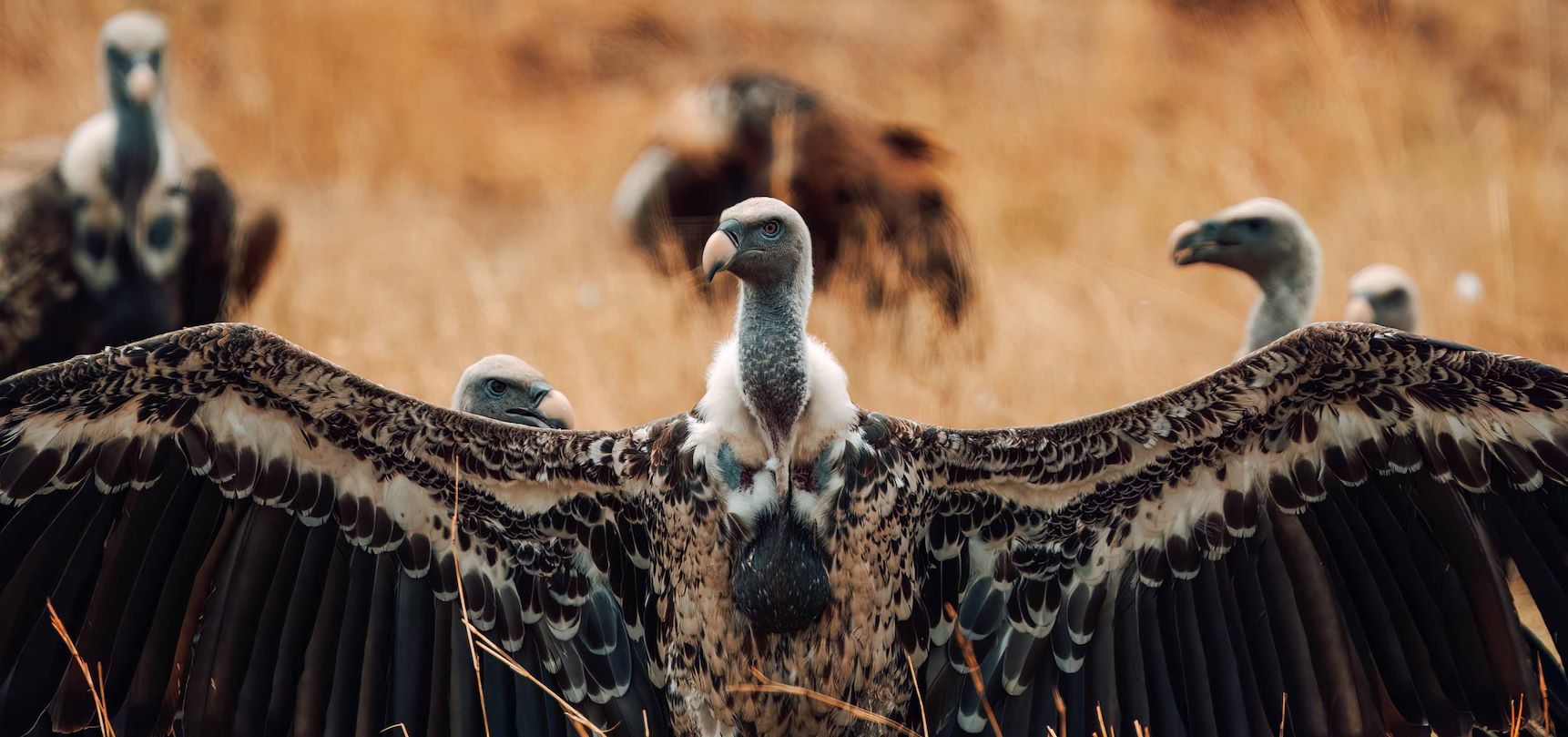
Discover Africa
Tanzania
From Mount Kilimanjaro’s iconic snow-capped peak, to the endless plains of the Serengeti and the Great Migration, Tanzania is spellbinding.
A wonderland of wildlife
Discover an East African safari spectacle
Discover an East African safari spectacle
Beyond the exotic spice island of Zanzibar and the dramatic snow-capped peaks of Mount Kilimanjaro, the famed plains of the Serengeti in Tanzania offer some of the best game-viewing on Earth. Tanzania is home to some of the most iconic African national parks, private game reserves and conservation areas, including the Ngorongoro Crater and renowned Serengeti National Park, where over a million wildebeest and zebras cross the plains in the Great Migration.
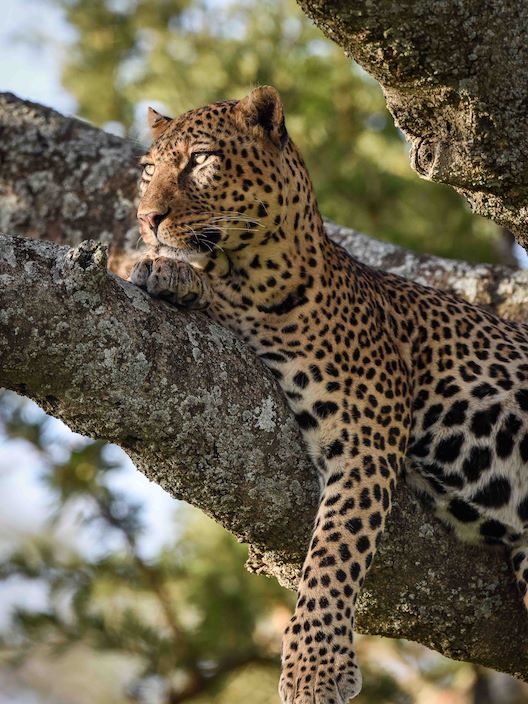
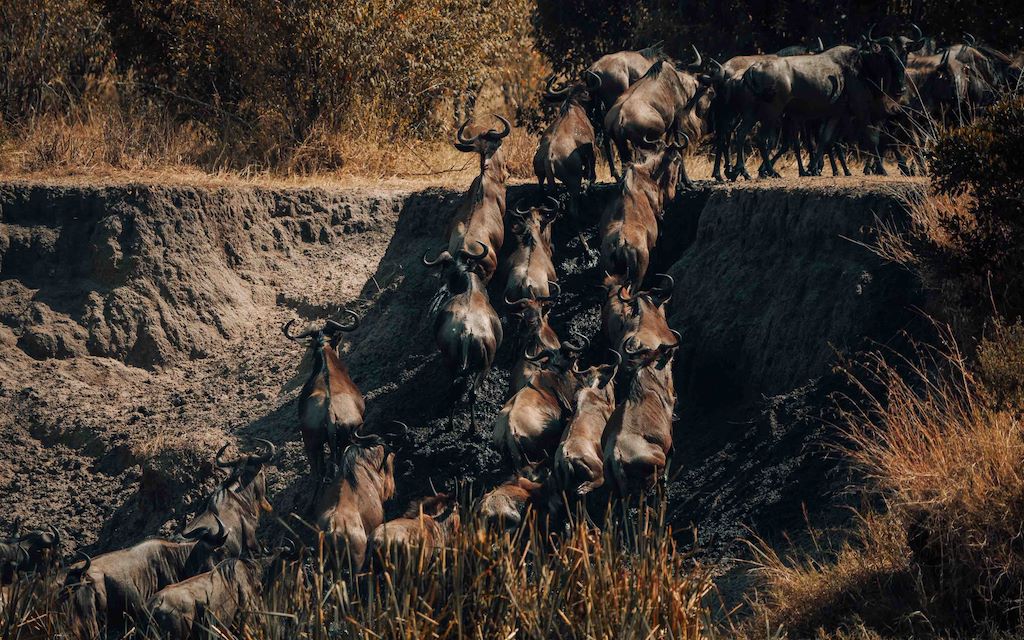
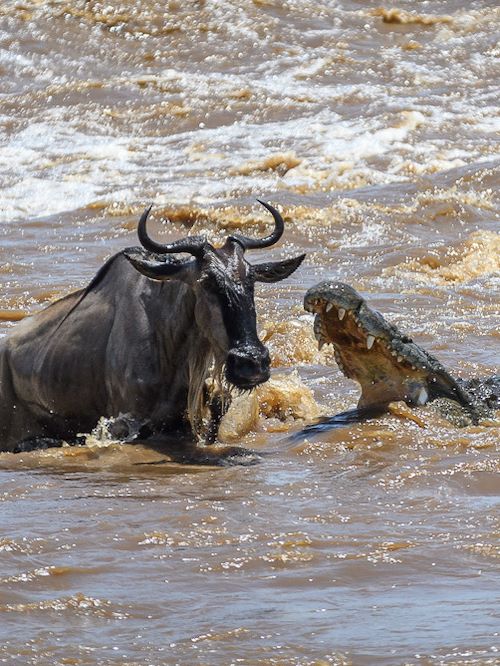
The Great Migration
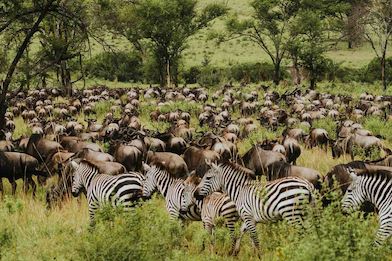
Clouds of dust across the plains. Horns, hooves, stripes; behold Africa’s most impressive wildlife spectacle, the Great Migration. Watch hundreds of thousands of wildebeest, zebra and other plains game travel an endless journey, covering the entire Serengeti; crossing its rivers, braving its predators. Grazing, drinking, breeding, moving as one.
WHAT YOU NEED TO KNOW
Tanzania at a glance
As one of Africa’s most iconic destinations, and with a pleasant year-round climate, Tanzania is a must-visit at any time. Follow in ancient footsteps on guided walks across the Serengeti’s wildlife-rich plains, sunbathe on the white sandy beaches of Zanzibar or explore the country on a hike, cycle or canoe excursion.
Tanzania key facts
Tanzania is the largest country in East Africa and includes the islands of Zanzibar, Pemba, and Mafia. The country is about twice the size of California and is bordered by the Indian Ocean. Mount Kilimanjaro is the highest point in Africa and is flanked by three of the largest lakes on the continent. Lake Victoria, in the north, Lake Tanganyika in the west, and Lake Nyasa in the south-west.
POPULATION SIZE
61.5 million
CURRENCY
Tanzanian shilling (TZS)
GEOGRAPHICAL SIZE
947,300 km²
BEST TIME TO GO
All year round
LANGUAGE
Kiswahili & English
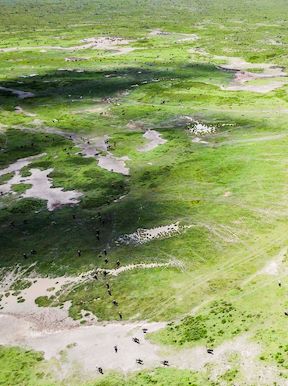
Open plains
Savannah landscape covers the volcanic grasslands.
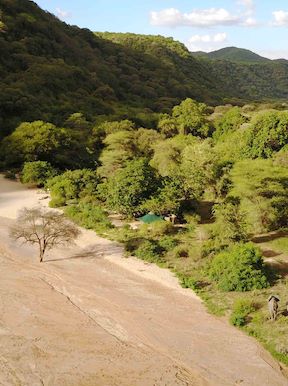
Riverine forests
Forests frame the Great Rift Valley lakes.
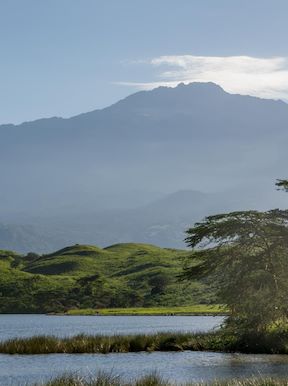
Freshwater lakes
Freshwater lakes are surrounded by wooded grassland.
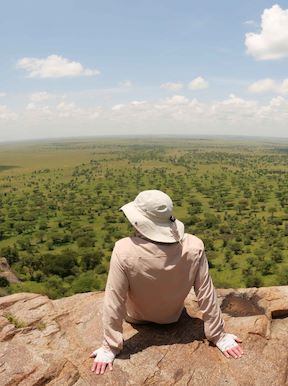
Mountains
Home to the highest mountain in Africa.
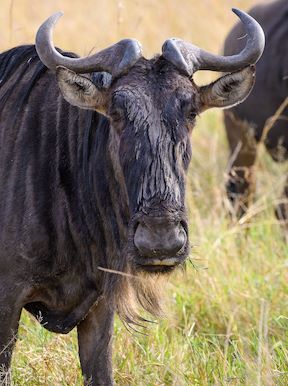
Blue wildebeest
The annual Great Migration is a sight to behold.

Cheetah
One of Tanzania’s most iconic big cats.
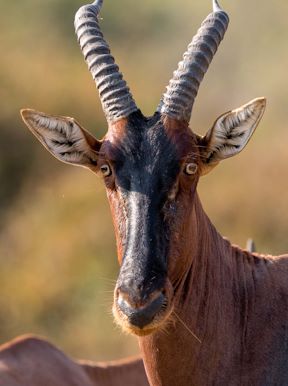
Topi
A fast antelope often seen on the open plains.
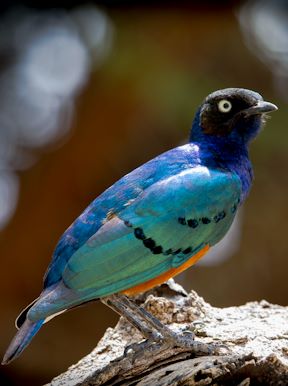
Superb starling
Tanzania is home to an array of starling species.
Weather
Tanzania enjoys a tropical climate year-round, but due to its diverse geography, rainfall and humidity vary. The hottest and most humid part of the country is the coast. Other low-lying areas, such as the western and southern parks, are also hot but less humid. The rest of the interior is much milder and cools down significantly at night. Tanzania has two rainy seasons.
TRANSITION SEASON
March to May
DRY SEASON
May to October
SUMMER SEASON
November to January
Key Facts
Tanzania key facts
Tanzania is the largest country in East Africa and includes the islands of Zanzibar, Pemba, and Mafia. The country is about twice the size of California and is bordered by the Indian Ocean. Mount Kilimanjaro is the highest point in Africa and is flanked by three of the largest lakes on the continent. Lake Victoria, in the north, Lake Tanganyika in the west, and Lake Nyasa in the south-west.
POPULATION SIZE
61.5 million
CURRENCY
Tanzanian shilling (TZS)
GEOGRAPHICAL SIZE
947,300 km²
BEST TIME TO GO
All year round
LANGUAGE
Kiswahili & English
Habitats
Open plains
Savannah landscape covers the volcanic grasslands.
Riverine forests
Forests frame the Great Rift Valley lakes.
Freshwater lakes
Freshwater lakes are surrounded by wooded grassland.
Mountains
Home to the highest mountain in Africa.
Wildlife
Blue wildebeest
The annual Great Migration is a sight to behold.
Cheetah
One of Tanzania’s most iconic big cats.
Topi
A fast antelope often seen on the open plains.
Superb starling
Tanzania is home to an array of starling species.
Weather
Weather
Tanzania enjoys a tropical climate year-round, but due to its diverse geography, rainfall and humidity vary. The hottest and most humid part of the country is the coast. Other low-lying areas, such as the western and southern parks, are also hot but less humid. The rest of the interior is much milder and cools down significantly at night. Tanzania has two rainy seasons.
TRANSITION SEASON
March to May
DRY SEASON
May to October
SUMMER SEASON
November to January
Tanzania safari experiences

Game drives
Botswana, Tanzania, Rwanda, Zimbabwe, Zambia

Private safari
Botswana, Namibia, Rwanda, Tanzania, Zimbabwe, Zambia

Birding
Botswana, Namibia, Rwanda, Tanzania, Zambia, Zimbabwe

Guided walking safaris
Botswana, Namibia, Tanzania, Zimbabwe, Zambia

Stargazing
Botswana, Namibia, Tanzania, Zimbabwe

Nature drives
Namibia

Hot air ballooning
Namibia & Tanzania

Designed for intimacy
Africa

Honeymoon game drives
Africa

Private dining
Africa
TANZANIA JOURNEYS
Ready to take the wildest Tanzania safari?
Our curated journeys across Tanzania offer you a taste of the thrilling experiences that await: iconic sightings, dramatic landscapes and luxury safaris in pristine areas. Our industry-leading guides are passionate storytellers who look forward to sharing their love of Tanzania’s wild with you.
Explore our Journeys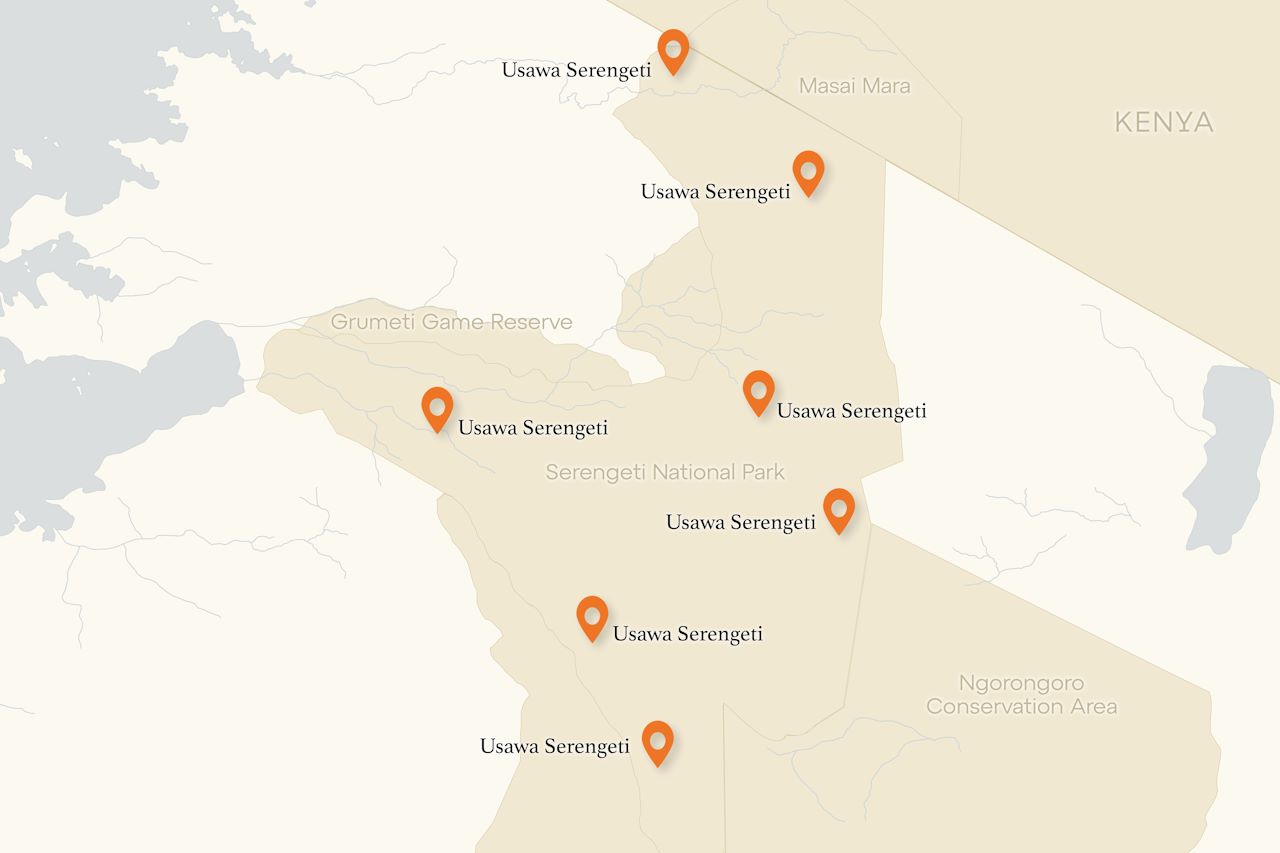
The Serengeti in Tanzania
Serengeti National Park is located in the north-eastern corner of Tanzania and is known as one of the best places in Africa to see wildlife. Wilderness operates a safari camp that moves between various sites in the vast Serengeti. Exclusive and totally mobile, no luxury has been spared.
Visit Serengeti National Park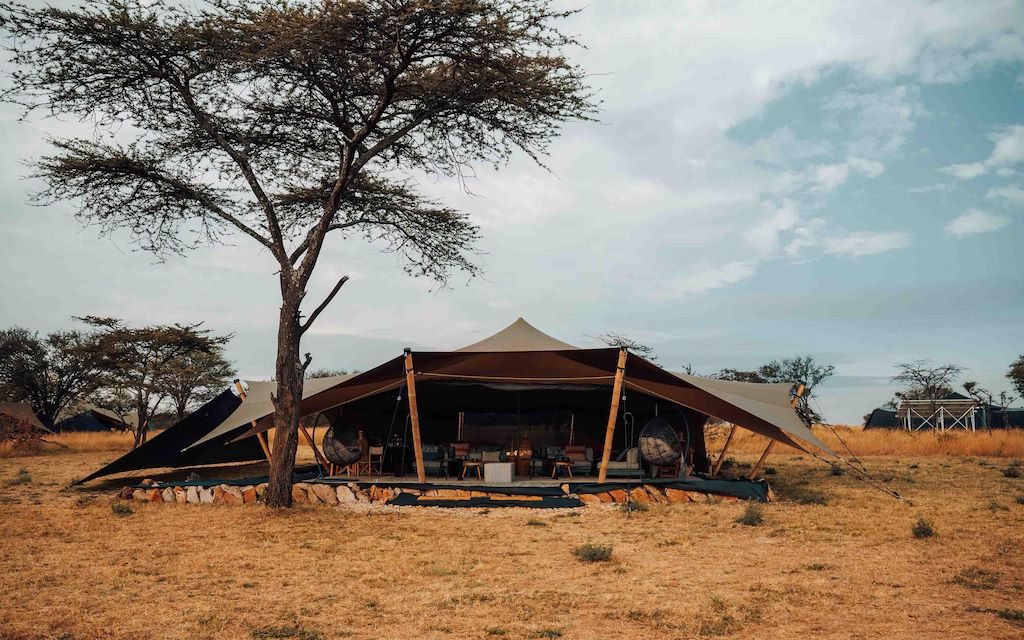

A luxury mobile tented camp
Wilderness Usawa Serengeti experience provides a perfect balance of action and comfort. Offering great wildlife encounters yet distanced from the crowded tourist hubs, this tented camp showcases thoughtful design and architecture, inviting guests to indulge in a secluded and exclusive East African adventure.
FAQ
General
Visas
Vaccinations
Journal
Tanzania featured stories

Reflections on the nature of Wilderness Usawa Serengeti
Introspection and photography in the Serengeti at Wilderness Usawa
Read moreDonal Boyd and Emma Romeijn
19.12.2024

The Anti-Migration: Unveiling wildlife dynamics after the herds move on
Explore the Serengeti’s hidden wonders post-migration. Witness unique wildlife dynamics, predator ad...
Read moreLauren Dold
05.12.2024

Wilderness Usawa Serengeti FAQs
Wilderness Usawa Serengeti offers an exclusive Serengeti National Park (Tanzania) luxury private saf...
Read moreMerryn Haller
16.10.2024

Seasons of the Serengeti
A look at one of the Serengeti’s most remarkable events: the calving season.
Read moreLauren Dold
15.08.2024
Wilderness Usawa Serengeti a year on
Mobile tents and high levels of luxury are not traditionally synonymous, but we knew that if we got ...
Read moreGrant Woodrow
28.06.2024
Let’s plan your next journey
Ready?
When we say we’re there every step of the way, we mean it, literally. From planning the perfect circuit, to private inter-camp transfers on Wilderness Air, and easing you through Customs. We’re with you on the ground, at your side, 24-7, from start to finish. Ready to take the road less travelled? Contact our Travel Designers to plan an unforgettable journey.