Botswana
Linyanti
Home to the mysterious Savuti Channel, the untouched and untamed Linyanti Wildlife Reserve is Botswana’s premium safari destination you might never have heard of.
Linyanti safari guide: Botswana's exclusive wildlife corridor
Where ancient wildlife corridors meet modern conservation excellence
Between the world-famous Okavango Delta and Chobe National Park lies a remarkable wilderness combining the best of both: the Linyanti region. This spectacular landscape of riverine forests, floodplains, mopane woodlands and seasonal marshes represents one of Africa's most important wildlife corridors, offering extraordinary safari experiences away from busier tourist circuits.
The Linyanti region is defined by the Linyanti River and its associated wetlands, forming part of the border between Botswana and Namibia's Caprivi Strip. This critical water source creates a magnetic draw for wildlife, particularly during winter dry season when permanent waters become a lifeline for countless animals.
The region occupies a strategic position within the Kavango-Zambezi Transfrontier Conservation Area (KAZA-TFCA), covering 500,000 sq km across five countries. The Linyanti serves as a crucial corridor allowing uninhibited wildlife movement between Botswana, Namibia, Angola, Zambia and Zimbabwe.
WHAT YOU NEED TO KNOW
Linyanti at a glance
Hundreds of miles from so-called civilisation, the Linyanti is a pristine wilderness area. Expansive grasslands, floodplains and mopane woodlands make this place where the Linyanti River meets the Savuti Channel one of Botswana’s most diverse habitats and a haven for wildlife.
Linyanti key facts
The Linyanti Wildlife Reserve includes around two-thirds of the Savuti Channel, sometimes called ‘the stolen river’. This important, life-giving water source has flowed and dried up unpredictably for over a hundred years, and while it has been flowing since 2008, after a dry spell of nearly 30 years, it’s anyone’s guess when another tectonic shift might cause it to dry.
GEOGRAPHIC SIZE
1,250km²
BIRD SPECIES
+/- 400
MAMMAL SPECIES
+/- 100
BEST TIME TO VISIT
All year round
WILDERNESS CAMPS
5
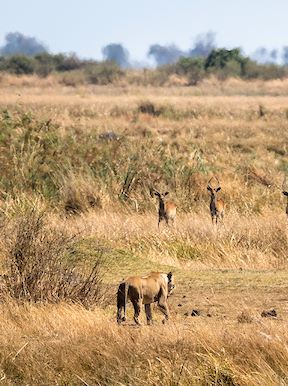
Grasslands
Grassy plains that flood annually.
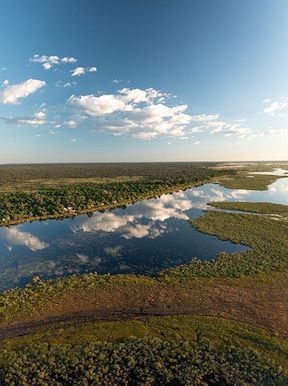
Riverine forests
Indigenous, dense forests grow around the Linyanti River and Savuti Channel.
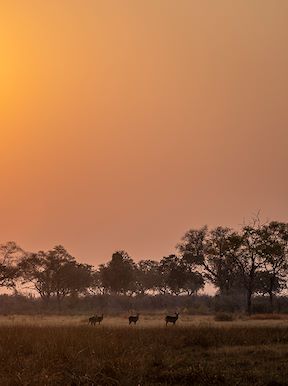
Woodland
The southern region is dominated by mopane woodland.
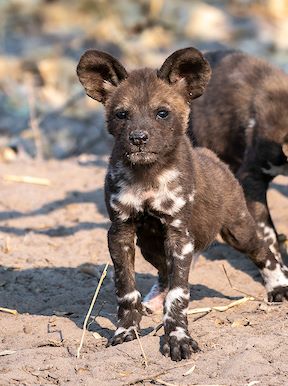
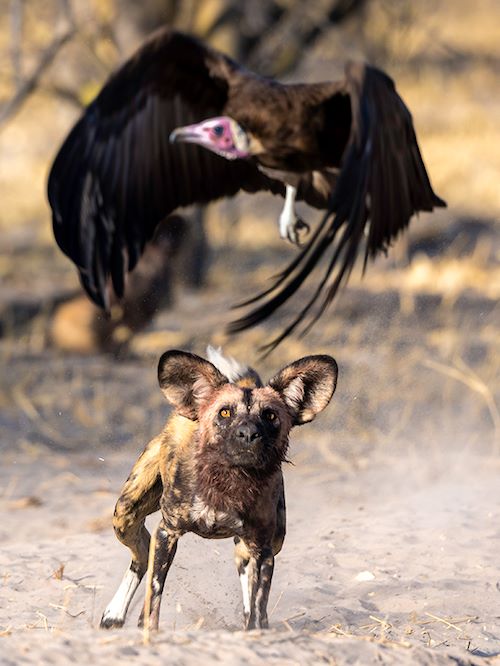
African wild dog
Wild dogs thrive in the Linyanti, often hunting along the Savuti Channel.
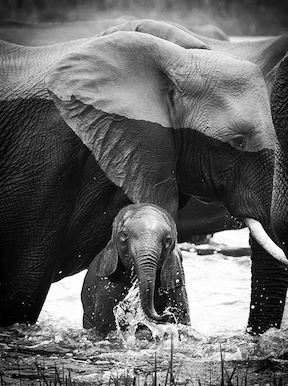
Elephant
Botswana is home to Africa’s highest concentration of elephants, over 130,000 of them.
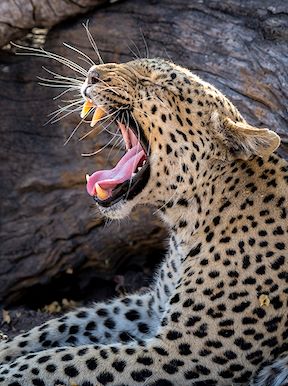
Leopard
Graceful and beguiling, leopards are a most sought-after sighting on a Botswana safari.
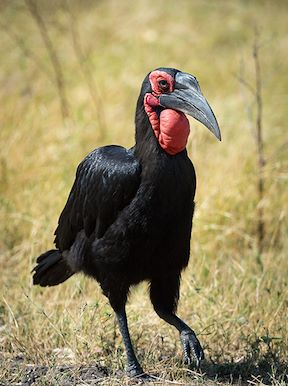
Southern ground hornbill
Ground hornbills, with their vivid red faces are a welcome sighting on a safari in the Linyanti.
Weather
The Linyanti’s climate is mostly warm, though it can get chilly in the mornings and evenings during the dry season, from April to September. The Linyanti receives summer rainfall, which most often occurs in the afternoons, between December and March. Average daily temperature in summer is 30°C (86°F) while in winter it is 22°C (72°F).
A seasonal guide to Botswana’s wildernessSUMMER SEASON
April to September
DRY SEASON
October to March
Key Facts
Linyanti key facts
The Linyanti Wildlife Reserve includes around two-thirds of the Savuti Channel, sometimes called ‘the stolen river’. This important, life-giving water source has flowed and dried up unpredictably for over a hundred years, and while it has been flowing since 2008, after a dry spell of nearly 30 years, it’s anyone’s guess when another tectonic shift might cause it to dry.
GEOGRAPHIC SIZE
1,250km²
BIRD SPECIES
+/- 400
MAMMAL SPECIES
+/- 100
BEST TIME TO VISIT
All year round
WILDERNESS CAMPS
5
Habitats

Grasslands
Grassy plains that flood annually.

Riverine forests
Indigenous, dense forests grow around the Linyanti River and Savuti Channel.

Woodland
The southern region is dominated by mopane woodland.
Wildlife

African wild dog
Wild dogs thrive in the Linyanti, often hunting along the Savuti Channel.

Elephant
Botswana is home to Africa’s highest concentration of elephants, over 130,000 of them.

Leopard
Graceful and beguiling, leopards are a most sought-after sighting on a Botswana safari.

Southern ground hornbill
Ground hornbills, with their vivid red faces are a welcome sighting on a safari in the Linyanti.
Weather
Weather
The Linyanti’s climate is mostly warm, though it can get chilly in the mornings and evenings during the dry season, from April to September. The Linyanti receives summer rainfall, which most often occurs in the afternoons, between December and March. Average daily temperature in summer is 30°C (86°F) while in winter it is 22°C (72°F).
A seasonal guide to Botswana’s wildernessSUMMER SEASON
April to September
DRY SEASON
October to March
What makes Linyanti unique
Diverse habitats in one region
The Linyanti's appeal stems from remarkable habitat diversity compressed into a small area, creating exceptional game viewing opportunities. At 125,000 ha (309,000 acres), the Linyanti Wildlife Reserve boasts the greatest habitat diversity and game viewing in northern Botswana.

The mysterious
Savuti Channel
Perhaps the most fascinating geographical feature is the Savuti Channel, an ephemeral river flowing from the Linyanti River southward. This mysterious waterway has unpredictable flows—it ran dry in 1981, started flowing again in 2008 and has since exhibited varying patterns. When flowing, the channel transforms arid landscapes into productive wetlands.

Riverine forests
Tall, lush forests line the Linyanti River, dominated by jackalberry, sausage trees and massive sycamore figs. These shaded corridors support enormous elephant populations and provide perfect leopard habitat.

Open floodplains
Adjacent to waterways, expansive grassy floodplains offer exceptional wildlife viewing visibility. These become critical feeding grounds during dry season when other areas become depleted.

Mopane woodlands
Moving from water, the landscape transitions to mopane-dominated woodlands. These hardy, protein rich, trees support different wildlife communities and are particularly important for elephants during dry season.

Seasonal marshes
The fluctuating water levels create dynamic seasonal marshes that expand and contract with annual flooding cycles, attracting countless waterbirds and specialised antelope like red lechwe.
The mysterious Savuti Channel

The mysterious
Savuti Channel
Perhaps the most fascinating geographical feature is the Savuti Channel, an ephemeral river flowing from the Linyanti River southward. This mysterious waterway has unpredictable flows—it ran dry in 1981, started flowing again in 2008 and has since exhibited varying patterns. When flowing, the channel transforms arid landscapes into productive wetlands.
Riverine forests

Riverine forests
Tall, lush forests line the Linyanti River, dominated by jackalberry, sausage trees and massive sycamore figs. These shaded corridors support enormous elephant populations and provide perfect leopard habitat.
Open floodplains

Open floodplains
Adjacent to waterways, expansive grassy floodplains offer exceptional wildlife viewing visibility. These become critical feeding grounds during dry season when other areas become depleted.
Mopane woodlands

Mopane woodlands
Moving from water, the landscape transitions to mopane-dominated woodlands. These hardy, protein rich, trees support different wildlife communities and are particularly important for elephants during dry season.
Seasonal marshes

Seasonal marshes
The fluctuating water levels create dynamic seasonal marshes that expand and contract with annual flooding cycles, attracting countless waterbirds and specialised antelope like red lechwe.


Linyanti's famous elephant populations
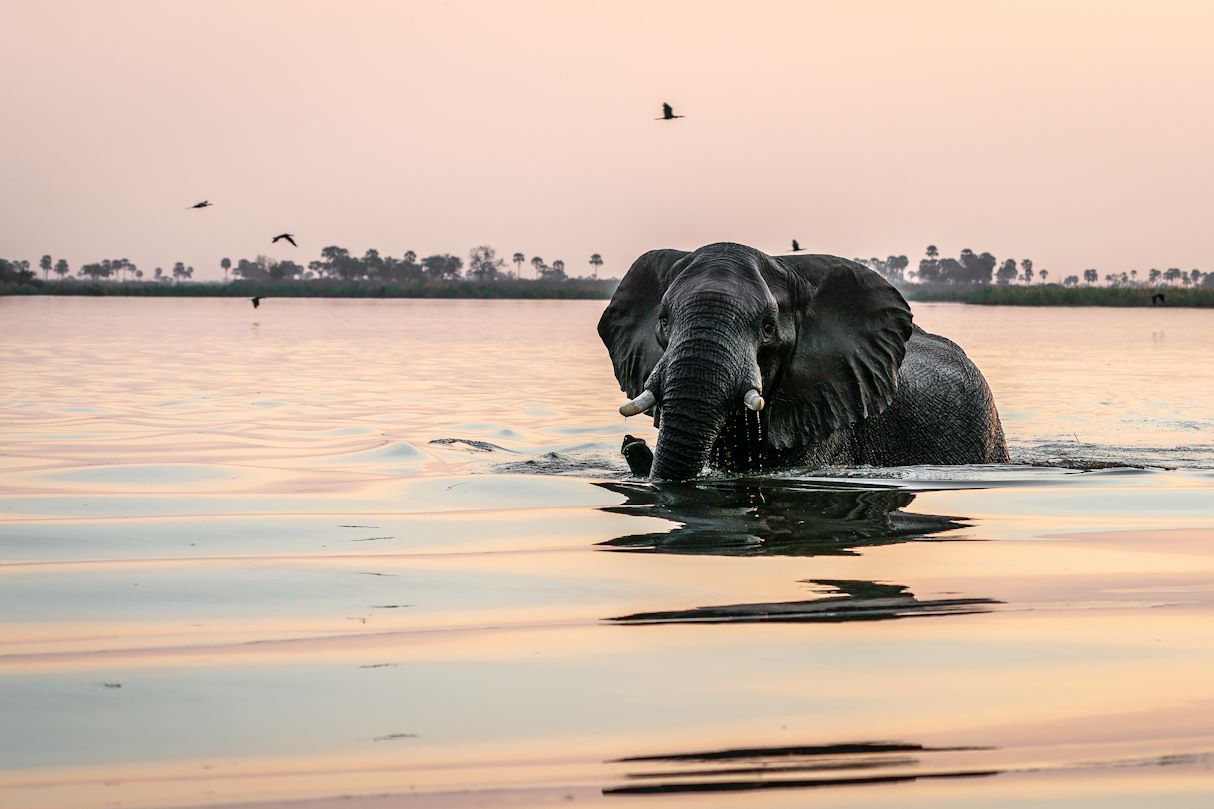
The Linyanti is home to one of Africa's highest elephant concentrations, particularly during dry season (June to October) when thousands converge on the river. The region offers extraordinary viewing opportunities including breeding herds drinking and bathing, dramatic crossings and impressive aggregations of several hundred individuals.
Wilderness DumaTau is strategically positioned between two elephant corridors at Osprey Lagoon, offering guests front-row seats to witness these magnificent migrations. Wilderness King's Pool provides exceptional elephant viewing from its position overlooking the sparkling oxbow-shaped lagoon, whilst Wilderness Savuti offers access to the famous elephant-hunting behaviours near the Savuti Channel. Wilderness Linyanti Tented Camp, positioned on the iconic Linyanti Marsh itself, provides guests with extraordinary views of large elephant herds that congregate along the waterways directly in front of the camp.
Wildlife highlights
Predator concentrations
The Linyanti has earned a reputation for exceptional predator viewing, with several species reaching impressive densities:

Lions
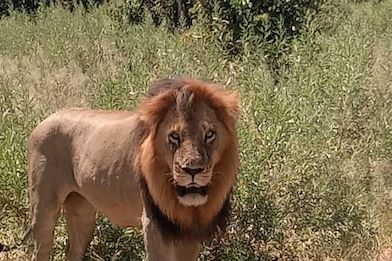
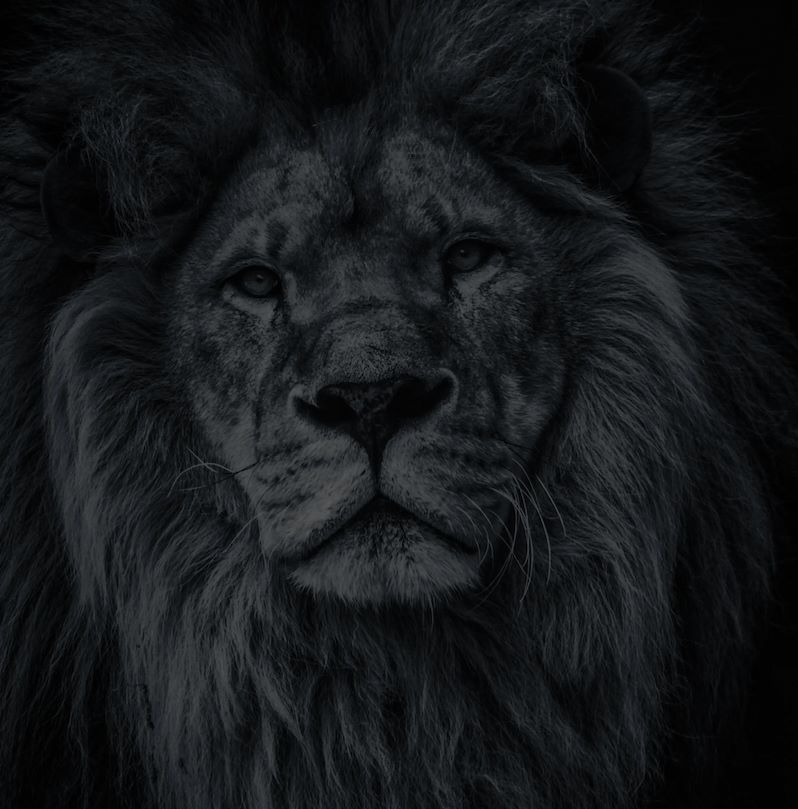
Several prides dominate the region, with the famous Savuti prides known for their elephant-hunting behaviour—one of few places in Africa where lions regularly hunt adult elephants.

Leopards
The dense riverine forests provide perfect leopard habitat, with high densities along the Linyanti waterfront. Wilderness DumaTau's position along the Linyanti River, Wilderness King's Pool's lagoon setting and Wilderness Linyanti Tented Camp's riverine location all offer excellent leopard viewing opportunities.

African Wild dogs
The Linyanti region is a stronghold for the endangered African wild dog, with several packs denning in the area between June and August. When on the move they cover extraordinary distances with one monitored individual even been recorded moving between Hwange National Park in Zimbabwe and the Linyanti, showing the importance of this corridor.

Spotted hyenas
Large clan territories overlap throughout the region, with spotted hyenas playing their crucial role as both predators and scavengers in the ecosystem's complex dynamics.
Lions

Lions
Several prides dominate the region, with the famous Savuti prides known for their elephant-hunting behaviour—one of few places in Africa where lions regularly hunt adult elephants.
Leopards

Leopards
The dense riverine forests provide perfect leopard habitat, with high densities along the Linyanti waterfront. Wilderness DumaTau's position along the Linyanti River, Wilderness King's Pool's lagoon setting and Wilderness Linyanti Tented Camp's riverine location all offer excellent leopard viewing opportunities.
Wild dogs

African Wild dogs
The Linyanti region is a stronghold for the endangered African wild dog, with several packs denning in the area between June and August. When on the move they cover extraordinary distances with one monitored individual even been recorded moving between Hwange National Park in Zimbabwe and the Linyanti, showing the importance of this corridor.
Spotted hyenas

Spotted hyenas
Large clan territories overlap throughout the region, with spotted hyenas playing their crucial role as both predators and scavengers in the ecosystem's complex dynamics.
Wildlife highlights
Rare Species
Linyanti isn’t just about lions, elephants and dramatic predator sightings — it’s a haven for rare and lesser-known species, offering safari enthusiasts the chance to witness wildlife that’s often elusive elsewhere in Botswana. From uncommon antelope browsing mopane woodlands to vibrant migratory birds gathering along the riverbanks, this remote region rewards those who look beyond the obvious.

Roan and sable antelope
These magnificent, rare antelope species occur in the mopane woodlands, with the Linyanti representing one of their remaining strongholds in northern Botswana.

Puku
This medium-sized, golden-brown antelope reaches the southernmost extent of its range in the Linyanti—one of the few places in Botswana where this species can be observed.

Exceptional birding
With over 450 recorded species and recognition as an internationally Important Bird Area (IBA), the Linyanti attracts water specialists like African skimmers, woodland species like ground hornbills and seasonal migrants including the spectacular carmine bee-eaters.
Roan and sable antelope

Roan and sable antelope
These magnificent, rare antelope species occur in the mopane woodlands, with the Linyanti representing one of their remaining strongholds in northern Botswana.
Puku

Puku
This medium-sized, golden-brown antelope reaches the southernmost extent of its range in the Linyanti—one of the few places in Botswana where this species can be observed.
Exceptional birding

Exceptional birding
With over 450 recorded species and recognition as an internationally Important Bird Area (IBA), the Linyanti attracts water specialists like African skimmers, woodland species like ground hornbills and seasonal migrants including the spectacular carmine bee-eaters.


History of the region and Wilderness' involvement
The Linyanti region has been inhabited for thousands of years, serving as important trading routes for various Bantu-speaking groups including the Subiya and Batawana people. European explorers, including David Livingstone, traversed parts of the region in the mid-19th century.
Wilderness established presence in the Linyanti in the early 1990s, developing small, low-impact camps focused on exceptional wildlife experiences. Over three decades, Wilderness has built unparalleled regional expertise whilst contributing to protection through sustainable tourism.
Today, Wilderness operates four renowned camps: Wilderness DumaTau (recently rebuilt luxury tented camp with eight tented suites accommodating up to 18 guests), Wilderness Little DumaTau (offering increased exclusivity), Wilderness King's Pool (featuring nine luxurious thatched rooms), Wilderness Savuti (perfectly positioned to explore the famous Savuti Channel) and Wilderness Linyanti Tented Camp (intimate explorer-style camp positioned directly on the Linyanti Marsh).


Best time to visit Linyanti - Dry season
The traditional peak safari season combines several advantages:
- Wildlife concentration: As water sources diminish elsewhere, animals congregate along the Linyanti River in extraordinary numbers
- Visibility: Thinning vegetation provides better sightlines for wildlife viewing and photography
- Comfortable conditions: Cool, dry days and cold nights create pleasant safari conditions
- Predator viewing: Concentrated prey attracts numerous predators to river areas
Within this period, August to October represents the absolute peak for wildlife density, with June and July offering excellent wildlife combined with more moderate temperatures.


Best time to visit Linyanti - Green season
The summer months offer distinctive advantages:
- Lush landscapes: Dramatic transformation as landscapes turn vibrant green
- Newborn animals: Many species give birth during this period of abundant food
- Bird watching: Migratory species arrive and residents display breeding plumage
- Photography: Dramatic skies, storms and exceptional lighting conditions
- Value: Significantly lower rates with excellent wildlife still present
Exclusive
Experiences in Linyanti concessions
One of the most exciting aspects of a safari in the Linyanti is the freedom it affords. Unlike Botswana’s public reserves, the private concessions here unlock a much wider range of activities allowing guests to explore by day and night, on foot, by boat, or even from the sky.
Explore Botswana’s safari activities in detail
Linyanti concessions
Night drives
Evening excursions with red-filtered spotlights reveal nocturnal specialists and predator hunting behaviours, significantly increasing chances of seeing rare species like aardvark and serval.
Night Game Drives
Linyanti concessions
Sleep-out experiences
Selected camps offer opportunities to spend nights under the stars on specially constructed platforms.
Star Beds
Linyanti concessions
Specialised hides
Photography hides positioned at strategic locations allow close-up observation without disturbance. Wilderness DumaTau's famous log-pile hide provides exceptional elephant viewing at eye level. Wilderness King's Pool features specialised hides with water and wildlife at eye level.
Why Botswana is so photogenic
Linyanti concessions
Walking safaris
Exploring on foot with armed professional guides offers profound connection with the environment, focusing on tracks, signs and smaller ecosystem aspects whilst occasionally encountering larger wildlife.
Guided Walking Safaris
Linyanti concessions
Helicopter flights
Scenic helicopter flights ranging from 30 to 60 minutes duration offer breathtaking aerial perspectives of the Linyanti wilderness and its wildlife concentrations.
Helicopter Safari
Linyanti concessions
Water activities
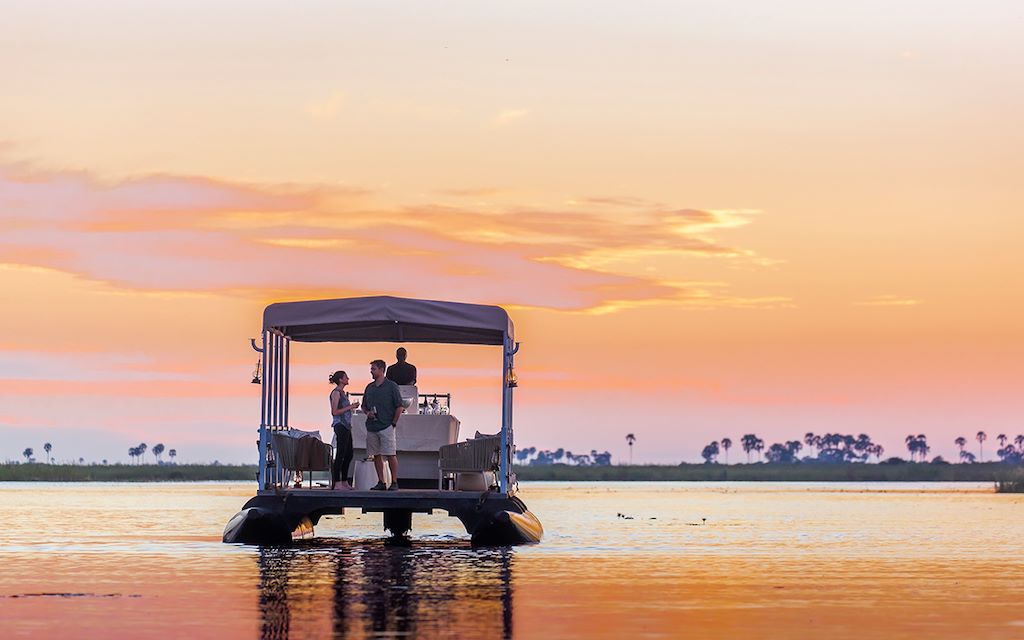
When water levels permit, boating excursions provide different ecosystem perspectives and access to areas impossible to reach by vehicle. Several camps operate motor boats and barges for lunches, picnics and sundowners on the Linyanti River system.

Linyanti concessions
Off-road tracking
Follow predator tracks through the floodplains on morning, afternoon or full-day drives. Your guide reads the land like a story, revealing everything from lion pride dynamics to delicate reed frogs nestled in the grasses.
Night drives

Linyanti concessions
Night drives
Evening excursions with red-filtered spotlights reveal nocturnal specialists and predator hunting behaviours, significantly increasing chances of seeing rare species like aardvark and serval.
Night Game DrivesSleep-out experiences

Linyanti concessions
Sleep-out experiences
Selected camps offer opportunities to spend nights under the stars on specially constructed platforms.
Star BedsSpecialised hides

Linyanti concessions
Specialised hides
Photography hides positioned at strategic locations allow close-up observation without disturbance. Wilderness DumaTau's famous log-pile hide provides exceptional elephant viewing at eye level. Wilderness King's Pool features specialised hides with water and wildlife at eye level.
Why Botswana is so photogenicWalking safaris

Linyanti concessions
Walking safaris
Exploring on foot with armed professional guides offers profound connection with the environment, focusing on tracks, signs and smaller ecosystem aspects whilst occasionally encountering larger wildlife.
Guided Walking SafarisHelicopter flights

Linyanti concessions
Helicopter flights
Scenic helicopter flights ranging from 30 to 60 minutes duration offer breathtaking aerial perspectives of the Linyanti wilderness and its wildlife concentrations.
Helicopter SafariWater activities

Linyanti concessions
Water activities
When water levels permit, boating excursions provide different ecosystem perspectives and access to areas impossible to reach by vehicle. Several camps operate motor boats and barges for lunches, picnics and sundowners on the Linyanti River system.
Off-road tracking

Linyanti concessions
Off-road tracking
Follow predator tracks through the floodplains on morning, afternoon or full-day drives. Your guide reads the land like a story, revealing everything from lion pride dynamics to delicate reed frogs nestled in the grasses.
How to combine
Linyanti with other regions
The Linyanti makes a natural pairing with other iconic safari destinations, creating journeys that balance contrast, diversity and logistical ease. Whether you’re combining it with the lush waterways of the Okavango Delta or the awe of Victoria Falls, these itineraries showcase the very best of the region with seamless travel and exceptional experiences throughout.

Linyanti and Okavango Delta
Combine Linyanti’s rich predator action with the Delta’s waterways and birdlife. Spend 3 nights in Linyanti and 3–4 in the Delta, with a 45-minute flight linking the two. June–October is ideal for peak wildlife across both regions.
Explore the Okavango
Linyanti and Victoria Falls
Follow a thrilling Linyanti safari with the awe of Victoria Falls. Enjoy 3–4 nights in camp, then fly to Kasane and transfer by road to the Falls. A perfect mix of remote wilderness and dramatic scenery.
ZimbabweLinyanti and Okavango Delta

Linyanti and Okavango Delta
Combine Linyanti’s rich predator action with the Delta’s waterways and birdlife. Spend 3 nights in Linyanti and 3–4 in the Delta, with a 45-minute flight linking the two. June–October is ideal for peak wildlife across both regions.
Explore the OkavangoLinyanti and Victoria Falls

Linyanti and Victoria Falls
Follow a thrilling Linyanti safari with the awe of Victoria Falls. Enjoy 3–4 nights in camp, then fly to Kasane and transfer by road to the Falls. A perfect mix of remote wilderness and dramatic scenery.
ZimbabweJourney with Wilderness
MAP
Explore camps in the Linyanti
We love what we do and are proud of our achievements, but it is good to be acknowledged by others. Below are a few of the awards we have received either for outstanding tourism services or for our contribution to conservation or community in Africa.
Go to Destination mapConservation work in the region
Wilderness' approach encompasses significant conservation initiatives beyond tourism.
Conservation in Botswana
Wildlife corridors protection
The company works to maintain connectivity between the Linyanti and adjacent protected areas, monitoring wildlife movements and advocating for critical linkage area protection.
Discover Linyanti’s ancient elephant corridors
Predator research
Long-term monitoring of lion, leopard and wild dog populations contributes valuable data for understanding population dynamics and conservation needs.
Find out more about Wilderness Protect
Anti-poaching support
Wilderness provides logistical support to governmental anti-poaching efforts, with camp presence serving as a deterrent to illegal hunting.
Four decades of conservation tourism in Africa
KAZA-TFCA engagement
As a stakeholder in the Kavango-Zambezi Transfrontier Conservation Area, Wilderness participates in cross-border conservation planning recognising the Linyanti's role in the larger five-country ecosystem.
Kavango Zambezi websiteWildlife corridors protection

Wildlife corridors protection
The company works to maintain connectivity between the Linyanti and adjacent protected areas, monitoring wildlife movements and advocating for critical linkage area protection.
Discover Linyanti’s ancient elephant corridorsPredator research

Predator research
Long-term monitoring of lion, leopard and wild dog populations contributes valuable data for understanding population dynamics and conservation needs.
Find out more about Wilderness ProtectAnti-poaching support

Anti-poaching support
Wilderness provides logistical support to governmental anti-poaching efforts, with camp presence serving as a deterrent to illegal hunting.
Four decades of conservation tourism in AfricaKAZA-TFCA engagement

KAZA-TFCA engagement
As a stakeholder in the Kavango-Zambezi Transfrontier Conservation Area, Wilderness participates in cross-border conservation planning recognising the Linyanti's role in the larger five-country ecosystem.
Kavango Zambezi websiteFAQs about Linyanti
About the Linyanti Region
Getting there and accessibility
Wildlife and nature
Activities and experiences
Accommodation and travel health

Designing your perfect safari
The Linyanti is one of Africa’s most rewarding safari regions, offering exceptional wildlife, dramatic landscapes, and exclusive experiences. With four Wilderness camps to choose from, each with its own style, guests enjoy a tailored adventure while supporting conservation efforts that protect this vital ecosystem for future generations.
TALK TO A TRAVEL DESIGNERJOURNAL
Linyanti featured stories

Wilderness King’s Pool and the living landscape of the Linyanti
Discover Wilderness King’s Pool in Botswana’s Linyanti—a dynamic landscape shaped by fault lines, sh...
Read moreLauren Dold
10.11.2025

Wilderness DumaTau wins Condé Nast Traveler Readers' Choice Award
Wilderness DumaTau wins Conde Nast Traveler's coveted Readers’ Choice Award for Best Resort in Afric...
Read moreMerryn Haller
08.10.2025

Wilderness Linyanti Tented Camp newsletter – August 2025
We have seen a huge increase in the elephant population around camp, especially during the day. Larg...
Read moreKgotso
23.09.2025

Let’s plan your next journey
Ready?
When we say we’re there every step of the way, we mean it, literally. From planning the perfect circuit, to private inter-camp transfers on Wilderness Air, and easing you through Customs. We’re with you on the ground, at your side, 24-7, from start to finish. Ready to take the road less travelled? Contact our Travel Designers to plan an unforgettable journey.