Luxury
Masai Mara & Serengeti
An 8-night journey across some of Africa's most renowned safari destinations, from the iconic Masai Mara to the spectacular Serengeti.
Kenya & Tanzania
From USD 15,532 per person
View TourDiscover Africa
Home of the original East African safari, Kenya beckons with iconic wildlife, diverse habitats, and fascinating cultures, as well as one of nature’s greatest wild spectacles – the Great Migration.
WILD & UNTAMED SAFARIS
Luxury safaris in the Masai Mara's most exclusive corner
Kenya is the original African safari country, and the Masai Mara is its crown jewel. A Kenya safari with Wilderness places you in the Mara Triangle — the western third of the Mara, where strict conservation management and far fewer camps mean you can spot lion, cheetah, leopard, elephant and resident black rhino without the crowds.
Wilderness Mara, our all-inclusive tented camp here, starts from USD960 per person per night, covering game drives, meals, drinks and park fees.
A safari in Kenya pairs easily with Tanzania and Rwanda for a full East African safari, or with the Indian Ocean coast for a safari and beach holiday.
Every Wilderness safari to Kenya begins as an itinerary and becomes something entirely your own. Browse our most-travelled luxury safari tours and packages, then speak to a Travel Designer to shape your vacation or holiday around your dates, your pace, and the experiences that matter most to you.
Showing 1-5 of 5 safaris to Kenya
Luxury
An 8-night journey across some of Africa's most renowned safari destinations, from the iconic Masai Mara to the spectacular Serengeti.
Kenya & Tanzania
From USD 15,532 per person
View Tour Luxury
A combination of two of East Africa's greatest safari experiences, from the plains of the Masai Mara to gorilla trekking in Rwanda's Volcanoes National Park.
Kenya & Rwanda
From USD 24,198 per person
View Tour Luxury
A 12-night journey following the wildebeest migration in the Serengeti and Masai Mara and whale sharks off the East African coast.
Kenya & Tanzania
From USD 23,323 per person
View Tour Luxury
A seamless 15-night journey combining Kenya's premier safari lodges with the barefoot elegance of the Seychelles.
Kenya & Seychelles
From USD 21,279 per person
View Tour Luxury
From Nairobi to the Indian Ocean, explore lakes, savannah, and beaches on this classic Kenyan safari adventure.
Kenya
From USD 12,876 per person
View TourDiscover when to visit Kenya for peak wildlife, green season beauty and the Great Migration.
When to goPlan a safari honeymoon in Kenya with romantic camps, iconic landscapes and beach breaks.
Plan your honeymoonFrom the wild plains of the Masai Mara to the pristine Indian Ocean shore, explore the best of both worlds.
Safari & beach holidays in KenyaDiscover the ease of an all-inclusive safari in Kenya at Wilderness Mara, our secluded luxury camp in the Masai Mara.
All-inclusive safaris in KenyaWith Wilderness, a custom Kenya safari combines Wilderness Mara with expert insight, tailored to your interests.
Custom safaris in KenyaThe Masai Mara, known locally as ‘the Mara’, is Kenya’s crown jewel among its many wildlife reserves. With more than 1,550 square kilometres (nearly 600 square miles) of vast, untamed open plains dramatically divided by the Mara River – home to one of the highest wildlife densities in Africa, and the site of the spectacular annual Great Migration in Kenya. Within this, the Mara Triangle is a more exclusive and a highly sought-after destination, offering a unique safari experience, thanks to fewer lodges and strict conservation management by the Mara Conservancy. Here exceptional wildlife encounters await year-round – respectful, well-paced, and truly rewarding.
Create treasured memories on an exclusive private safari across Kenya's most iconic destinations.
Private safaris in KenyaSpot over 470 bird species while enjoying exceptional wildlife viewing in the Mara Triangle.
Birding safaris in KenyaSnap abundant wildlife on a Kenya photo safari in the Mara Triangle.
Photography safaris in KenyaGet closer to thrilling wildlife interactions on morning and afternoon game drives.
Discover game drivesCheck out Kenya from above during an unforgettable hot air balloon tour.
Hot air ballooning toursWHAT YOU NEED TO KNOW
Kenya’s Great Rift Valley formed 35 million years ago, creating a multitude of exceptionally diverse habitats and making it one of the greatest safari destinations on Earth. Explore this celebrated African spectacle on a luxury safari – from the Masai Mara, with its fascinating plains, streams and mountain ridges, to Lake Nakuru and its seasonal flamingos.
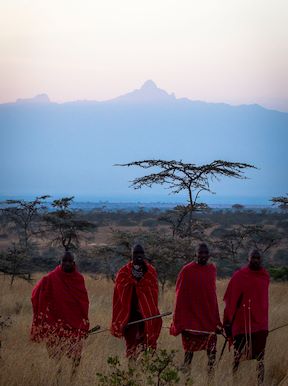
Kenya is one of Africa’s top safari destinations, with over 50 national parks and reserves, including the iconic Masai Mara. Home to the spectacular Great Migration and Africa’s second highest peak, Mount Kenya, this is a landscape rich in natural beauty and once-in-a-lifetime experiences.
POPULATION SIZE
52.3 Million
CURRENCY
Kenyan shilling (KES)
GEOGRAPHICAL SIZE
582,646 km²
BEST TIME TO GO
All year round
LANGUAGE
Swahili & English
Classic savannah landscape, with grassy plains.
Montane rainforest, savannah woodland, dry forest, coastal forest, mangroves.
Kenya is home to several within the Great Rift Valley, including Nakuru, Elementaita, and Bogoria.
Numerous notable peaks follow the spine of the Great Rift Valley across Central Kenya.
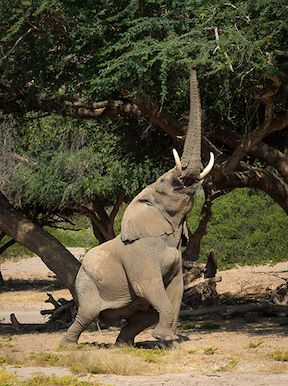
Around 3,000 elephants roam the Mara, often gathering near the river in dry season.
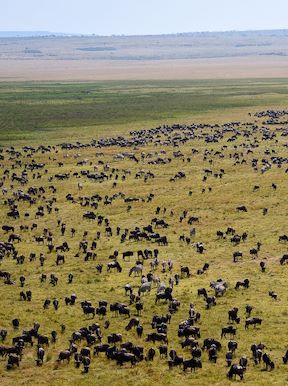
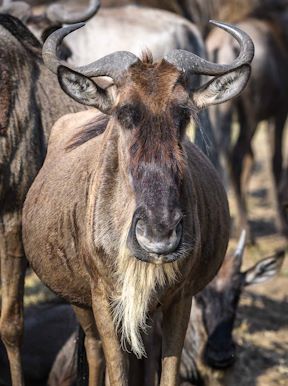
See Elephants in KenyaThe western white-bearded wildebeest is seen in vast herds during migration.
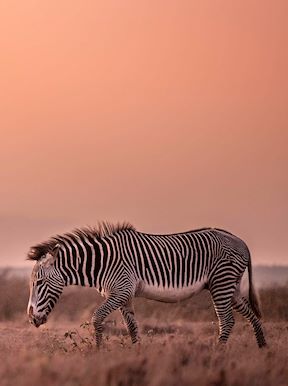
The largest of the zebras, and a thrilling sighting.
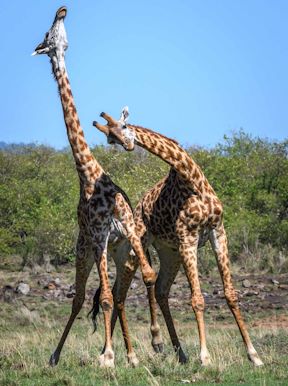
One of the distinct species, it is native to East Africa.
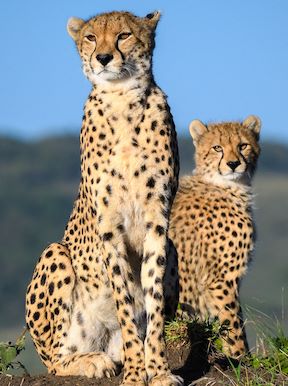
Kenya is a stronghold for Africa’s cheetahs.
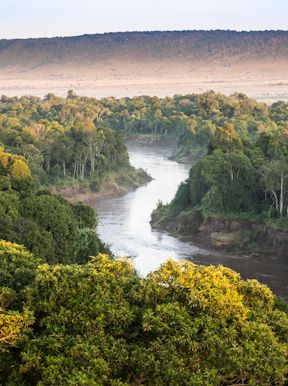
Framed by the Oloololo Escarpment and the snaking Mara River, the Mara Triangle – where Wilderness has its property – a sanctuary of staggering biodiversity lies. It is home to celebrated African wildlife including resident black rhino, vast herds of grazers, and much more. Managed by the Mara Conservancy, this remote wedge of the Masai Mara is well-protected.
Kenya’s diverse geography means that temperatures, rainfall and humidity vary, with more humid conditions in the low-lying areas, and cooler, more moderate weather on the Laikipia Plateau. In Kenya, the migration is typically seen from July to October, when the herds cross the Mara River into the Masai Mara National Reserve. These months offer dramatic river crossings, intense predator activity, and excellent wildlife viewing.

Dry Season (July to October):
Transition season (November to February):
Green Season (March to June):